
Why Do Hearing Aid Batteries Drain Faster in Hot Weather?
Late summer in Lubbock still means triple-digit heat, the kind that has
By: admin | November 18, 2025
Getting fitted for hearing aids works best when you go in prepared and know what to expect. A fitting appointment is more than just receiving a device and leaving.
It’s your chance to make sure the hearing aids actually work for your life and address the specific challenges you face daily.
Knowing what information to bring, what questions to ask and how to communicate your needs clearly makes the process smoother and increases the likelihood that you’ll be satisfied with the results.
This isn’t about memorizing technical details or becoming an expert before you walk in. It’s about taking a few minutes to reflect on what you want from your hearing aids so you can have a productive conversation that leads to a fitting tailored to you.
Before a hearing aid fitting, your specialist starts by gathering information about your hearing history. This includes discussing any symptoms you’ve noticed, like difficulty following conversations, ringing in the ears or sensitivity to certain sounds.
They’ll also ask about your family history of hearing loss, past ear infections, exposure to loud environments and your daily routines.
Next comes the testing process. Your hearing specialist will perform a series of assessments to measure how well you hear different pitches and volumes. These tests evaluate both ears individually and may include speech recognition exercises to see how clearly you can understand words in quiet or noisy settings.
Once testing is complete, the results are reviewed with you. Your specialist explains what the findings mean in practical terms, including how hearing loss might affect everyday activities like conversations, phone use or listening to media.
This discussion also covers possible solutions, including hearing aids and other supportive strategies, so you can make informed decisions about your next steps.
Selecting the right hearing aids involves looking at your hearing test results, the shape and size of your ears and your daily listening needs.
We may ask about how active you are, the places you visit often and whether you need extra help in noisy environments. This information helps your specialist recommend features like rechargeable batteries, Bluetooth connectivity or settings that make speech clearer in busy places.
Sharing details about your routine makes it easier for the professional to match you with devices that fit both your ears and your lifestyle.
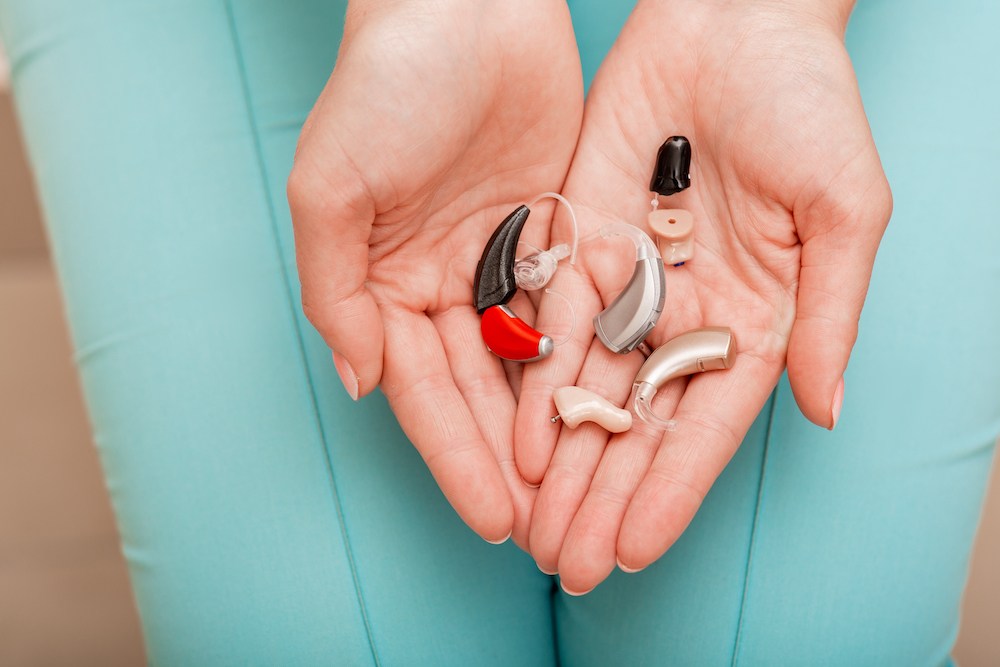
Hearing aids come in several styles to meet different needs and preferences. Some fit behind the ear, while others sit inside the ear canal for a more discreet appearance.
The choice of style often depends on your level of hearing loss, comfort and how easy you want the device to be to handle.
Your specialist can help determine which style works best for your ears and daily routines.
Modern hearing aids also include a variety of features designed to make listening easier. Many devices offer rechargeable batteries, Bluetooth connections for phones or TVs, and settings that reduce background noise.
Some people also use assistive listening devices alongside their hearing aids for added support in places like theaters or classrooms.
The hearing aid fitting is the step where your specialist helps you transition from testing to actually using your new device.
Before the fitting itself, the specialist gathers information about your hearing history, symptoms and lifestyle. This includes discussing how you communicate at home, work and social situations, as well as reviewing any prior hearing assessments or family history of hearing loss.
This information helps ensure the devices are selected and programmed to meet your specific needs.
During the fitting appointment, your hearing aids are adjusted and programmed to match the results of your hearing tests. The specialist ensures the volume, sound quality and amplification are tailored to your hearing profile.
You will also learn how to insert and remove the devices, adjust basic settings and care for them daily. For more advanced features, like Bluetooth connectivity or noise reduction settings, your specialist will demonstrate how to use them effectively.
The fitting also includes a period of listening and testing in real time, where your hearing aids are carefully adjusted to match your specific hearing needs.
Using the results from your hearing tests, the specialist programs each device to amplify certain frequencies where you have difficulty hearing while keeping comfortable levels for sounds you can hear well.
You may be asked to try your hearing aids in different environments, like quiet rooms, background noise, conversations or music playback, so the specialist can fine-tune volume, tone and clarity for each situation.
Any discomfort, feedback or trouble hearing specific sounds is addressed immediately, and adjustments can be made on the spot.
The specialist can tweak settings to reduce background noise, improve speech understanding and balance the sound between both ears. They may also demonstrate how to make minor changes yourself, so you can adapt the devices throughout the day as your surroundings or listening needs change.
This careful, hands-on tuning ensures the hearing aids are tailored to your unique hearing profile, helping you get the most natural and comfortable listening experience possible.
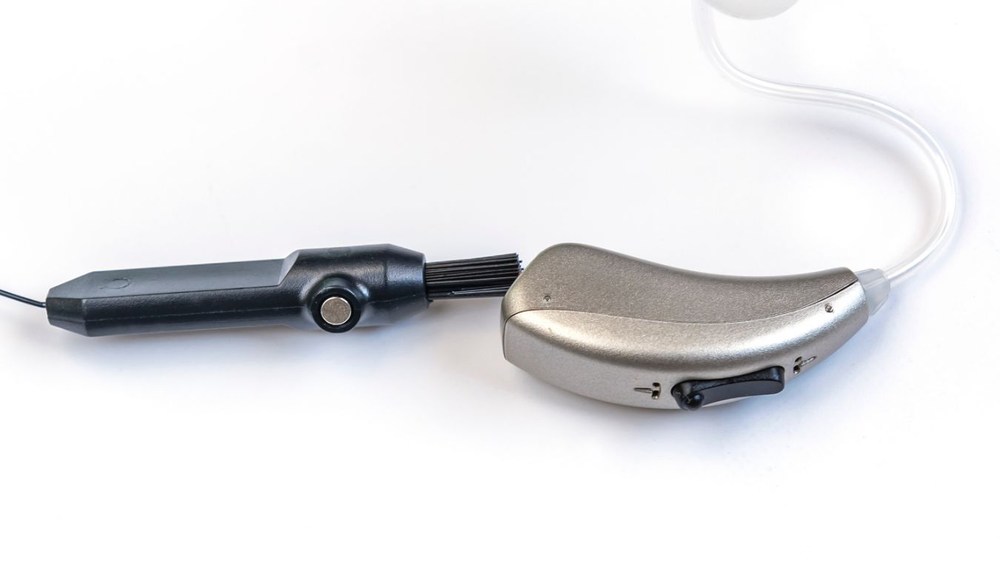
The hearing aid fitting also includes guidance on how to clean and maintain your devices so they continue to work properly. Your specialist will show you how to handle the devices safely, insert and remove them correctly, and manage batteries or rechargeable units.
Understanding these routines helps prevent damage, reduce feedback and ensure consistent performance throughout the day.
You will also learn how to spot issues that may require professional servicing. Practical cleaning tips include:
Learning these practices ensures your devices function properly and makes it easier to manage them as part of your daily routine.
Think about your regular activities and the places where you spend most of your time. Your daily routine plays a big part in how the specialist will adjust your hearing aids. If you are often in noisy environments, like restaurants or work meetings, mention this so your professional can make voices clearer in those situations.
If you enjoy quieter activities like reading at home or walking outside, sharing this information is helpful too. These details help your provider ensure your hearing aids work well for the activities that matter most to you.
Bringing a friend or family member to your hearing aid fitting can make the experience more comfortable and productive.
A friend can help take notes, remember important instructions and ask questions that might not come to mind while you focus on trying the devices.
During the fitting, your friend can observe how the hearing aids are adjusted and offer a second perspective on how they sound in different situations. They can assist as you practice putting the devices in, adjusting settings and using any features that may be new or unfamiliar.
Having someone with you ensures that you leave the appointment with a clearer understanding of your devices and can make the initial adjustment period smoother and more manageable.
When you first get your hearing aids, having a set of questions ready can help you understand how to use and care for your devices.
Talking through these points with your specialist ensures you get the most out of your hearing aids and know what to do if you encounter issues.
Some questions you might ask include:
Asking these questions helps you feel prepared to use your hearing aids effectively. Understanding the answers also makes it easier to maintain the devices and address minor issues on your own, so they continue to support your hearing needs every day.
Adjusting to new hearing aids takes some time, especially in the first few days. Your brain needs to get used to sounds that may have been quiet or missing for a while. This process is different for everyone, but most people notice steady improvement with regular use.
Everyday sounds like footsteps or running water may seem louder at first, and your own voice might sound different.
Background noise can also be more noticeable initially, and focusing on conversations in busy places may require extra effort. These changes usually improve as you continue wearing your devices.
Follow-up appointments are a key part of making sure your hearing aids continue to perform at their best. These visits allow your specialist to carefully review how your devices are functioning in real-world situations and make precise adjustments to improve sound clarity and comfort.
They also give your professional a chance to address any issues you’ve noticed, whether it’s feedback, difficulty hearing certain frequencies or changes in comfort as you wear your devices throughout the day.
Over time, your hearing needs may shift or you may encounter new environments that present different listening challenges.
Adjustments during follow-ups allow your hearing aids to keep pace with these changes, ensuring that conversations remain clear and that you can hear comfortably in a variety of settings.
These appointments also provide an opportunity to answer questions, demonstrate new features and offer tips for managing your devices, helping you make the most of your hearing aids as your routine and needs evolve.
The hearing aid fitting process is an opportunity to get devices that truly meet your individual needs. It gives you time to share your experiences, explain the situations that challenge your hearing and make sure the devices are set up to support your everyday life.
Approaching the appointment prepared helps ensure that your questions are answered, adjustments are made where needed and you leave feeling equipped to start using your hearing aids effectively.
Following the fitting, ongoing support is just as important. Scheduling follow-up appointments, learning how to care for your devices and understanding when adjustments are helpful all contribute to a smoother transition and long-term satisfaction.
If you have questions or need guidance at any point, you can reach out to King Hearing Center in Lubbock, Texas at 806-853-6269 for personalized support and practical advice to keep your hearing aids working well for you.
Tags: assistive listening devices, hearing aid basics, hearing aid fitting

Late summer in Lubbock still means triple-digit heat, the kind that has
By: admin | July 26, 2026
Life in Lubbock rarely slows down for long. Between work, family
By: admin | June 25, 2026
One of the first questions people ask when they’re considering
By: admin | January 19, 2026